22 May 2025

Today, the High Seas Treaty officially enters into force, marking a historic milestone for global ocean protection and international cooperation.
After more than two decades of negotiations, this moment signals a new era in how the world governs and protects nearly half of the planet.
The Treaty, formally known as the Agreement on the Conservation and Sustainable Use of Marine Biological Diversity of Areas Beyond National Jurisdiction (BBNJ), gives humanity its first global legal framework to safeguard the High Seas.
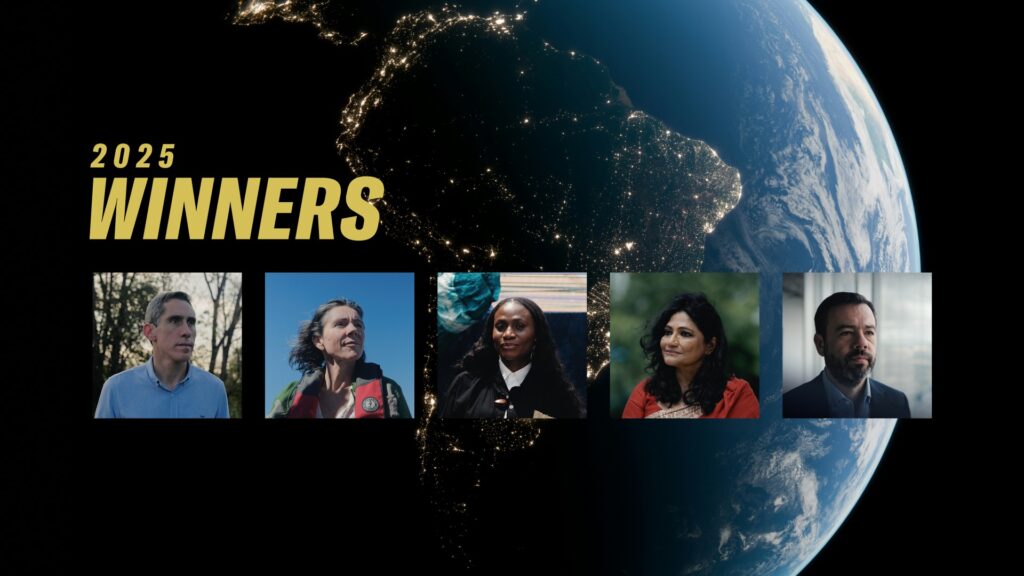
Winner of The Earthshot Prize 2025, the High Seas Treaty reflects the power of collective action and demonstrates that protecting our shared ocean is possible.
This is not the end of a journey, but the beginning of a new chapter in ocean governance.
The High Seas Treaty closes the gap in ocean conservation, protecting biodiversity in international waters.
The High Seas begin beyond national borders, making up most of the ocean and nearly half of Earth’s surface.
Until now, these waters were governed through a patchwork of rules and organisations, with no single framework to protect biodiversity in a coordinated, fair and effective way.
The High Seas Treaty changes that.
Now, for the first time, the world has shared rules to:
In practical terms, the Treaty provides the tools needed to protect marine life in the largest part of our ocean, while ensuring its benefits are shared more equitably among nations, so no single country can benefit at the expense of others.
The evolution of the Treaty was led by the High Seas Alliance, alongside governments, scientists, Indigenous Peoples, civil society groups, legal experts and youth advocates around the world. In March 2023, the final text was agreed.
In September 2025, the 60th country ratified it, triggering the countdown to entry into force. Today, 120 days later, the Treaty officially enters into force and becomes legally binding international law.
The pace of ratification has been remarkable. Reaching 60 ratifications in just two years reflects growing global recognition that the High Seas cannot remain beyond protection.
The High Seas are not remote, empty waters. They are full of life, from tiny plankton to great whales. They include underwater mountains, deep-sea plains and trenches, polar waters and open-ocean migration routes.
These ecosystems regulate our climate, absorb heat and carbon, drive weather systems, and support fisheries and livelihoods across the globe. The health of the High Seas is directly connected to the health of our planet, especially as we face the combined crises of climate change and biodiversity loss.
Protecting them means protecting the systems that make life on Earth possible.
Before the Treaty, protecting biodiversity in international waters was extremely limited. The High Seas Treaty now provides a legal pathway to turn conservation ambition into action.
It enables Marine Protected Areas (MPAs), places where human activity is carefully managed to allow ecosystems to recover and thrive, to be created on the High Seas for the first time. It also sets clear expectations for environmental impact assessments, transparency and sustainability.
From today, governments are expected to apply the Treaty’s environmental standards to activities under their control and to promote those standards in international bodies they are part of.
This marks a shift from fragmented oversight to collective responsibility.
The Treaty is essential to achieving the global target to protect 30% of the ocean by 2030, often known as 30×30.
Marine Protected Areas in international waters are a central part of this goal. They help rebuild biodiversity, strengthen ecosystem resilience, and support sustainable fisheries and coastal communities. Protecting the High Seas brings the 30×30 goal much closer to being achieved.
At the same time, it strengthens the ocean’s role as our greatest ally in the fight against climate change, helping stabilise systems that communities everywhere depend on.
The High Seas Treaty is a powerful example of what is possible when nations and people work together. By making protection possible in international waters, the Treaty turns global biodiversity commitments into achievable outcomes.
It reflects years of perseverance and dialogue, showing that even in complex and challenging times, the world can still unite around a shared responsibility for something that belongs to us all.
For multilateralism, as much as for the ocean, this moment matters.
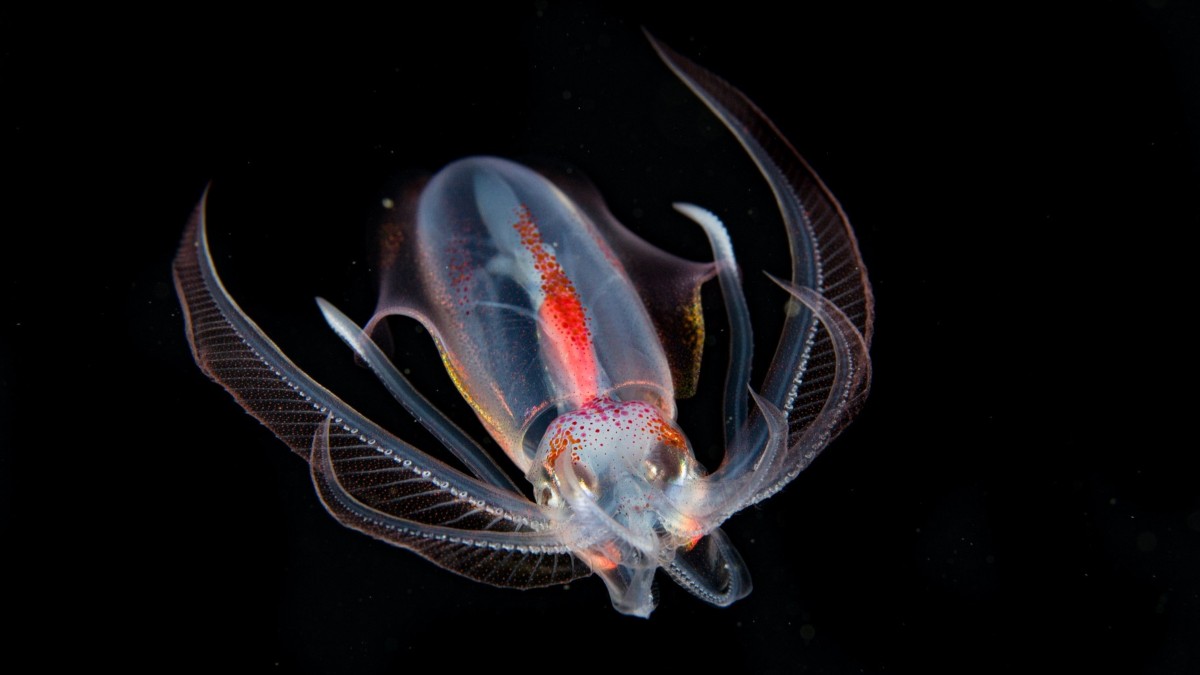
The deep waters of the High Seas are home to an extraordinary variety of life. Diamond squid. Credit: Mike Bartick / Ocean Image Bank
Entry into force is only the beginning.
The focus now turns to building the High Seas Treaty’s institutions, decision-making processes and ways of working. These foundations will be brought forward for adoption at the first Conference of the Parties within a year, laying the groundwork for the establishment of the first ever Marine Protected Areas on the High Seas.
Momentum is now firmly established. 82 Parties are already on board and as more countries are encouraged to join ahead of CoP1, each new ratification strengthens the Treaty, making it fairer, more inclusive and more effective, and accelerating its promise to protect the ocean for generations to come.
Today is a historic step. It is proof that global cooperation can move us from words on paper to a real, enforceable commitment to protect our shared blue planet.