17 Feb 2026


The Earthshot Prize
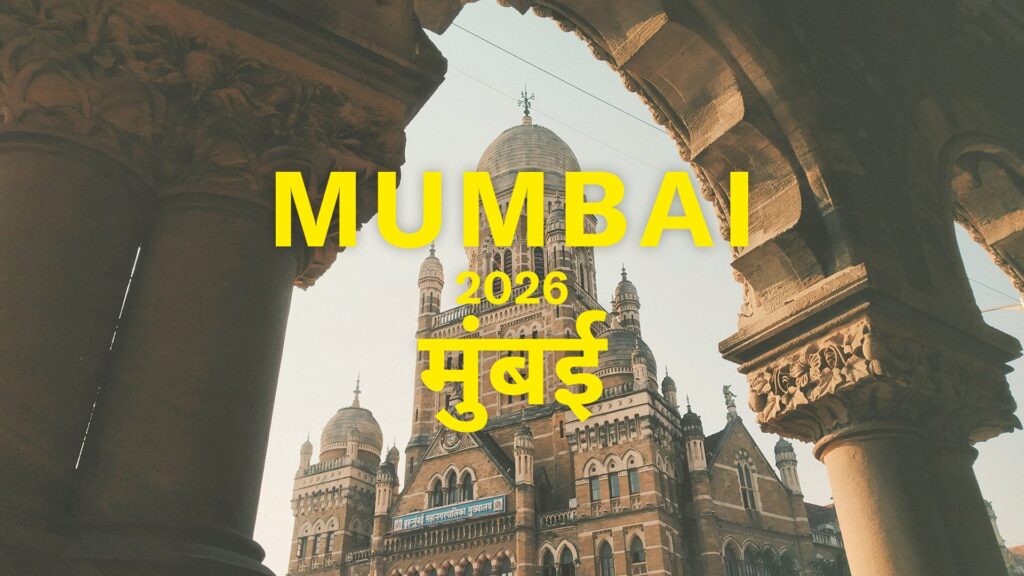
Mumbai Climate Week 2026 offered a powerful glimpse of what it will mean to bring The Earthshot Prize to India later this year.
As one of the most densely populated cities, Mumbai sits on the frontline of many of our Earthshots. Being there for myself made it clear how consequential the choices made in cities like this will be for the rest of the century. More importantly, it highlighted the massive opportunity to do things differently.
As Discovery Lead at The Earthshot Prize, I had the privilege of attending alongside Finalists, Nominators, Nominees and Experts and I saw first-hand how India is already delivering solutions across all five of our Earthshots.
Here are some of my main takeaways from an inspiring week.
Urban resilience, specifically how cities can stay cool in a fair and just way, came up in almost every conversation. Heat was framed not just as a weather event, but as a “silent killer” and a drag on productivity.
The most exciting solutions weren’t shown to be simply bigger air conditioners, instead we saw how passive building methods and nature-based urban planning can shave a few crucial degrees off inner city temperatures.
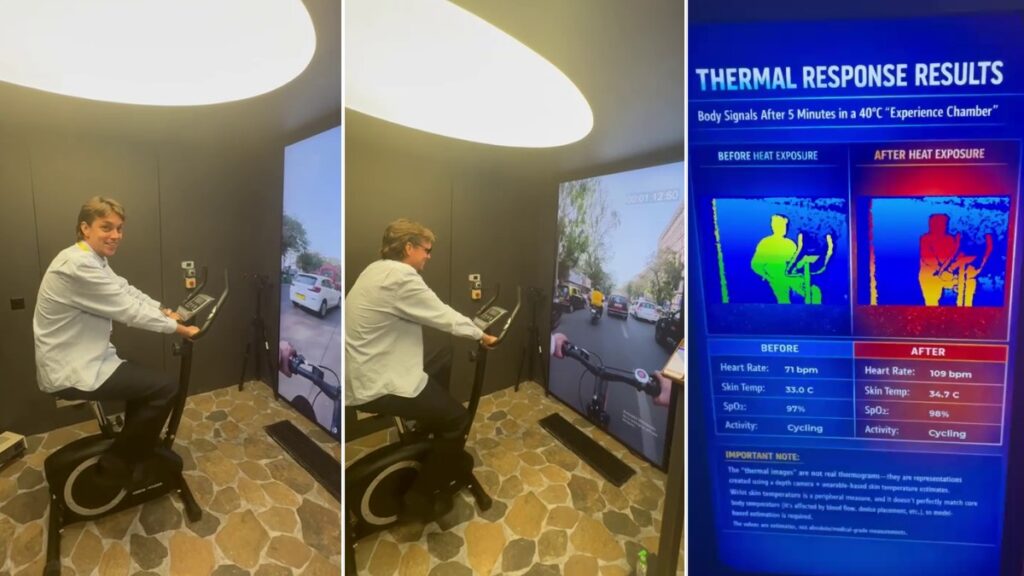
While there, I tried an extreme heat simulator from Spectrum Impact that recreated a typical city commute and quickly “overheated”. It was a hard-hitting reminder of how fast heat risk becomes life‑limiting if you don’t have shade, trees or reliable cooling.
Solar power is one of India’s great success stories. With falling costs and accelerating deployment (often in place of fossil alternatives) its positive tipping point is well within sight.
While questions remain about what to do with panels at the end of their life, India’s solar advancement is a clear example of how fast technology and policy can move when they align, and how that momentum can unlock many of the solutions we’re tracking in our Fix Our Climate Earthshot.
Discussions around agri‑food and freshwater focused on how to make farms, rivers and villages more resilient without relying on more fossil-fuel input. There was a strong push toward agroecology and non‑petrochemical fertilisers as a serious pathway to restore soil health, cut costs and strengthen climate resilience for millions of farmers.
India is one of the world’s biggest consumers of plant‑based foods, and its culinary traditions are a powerful ally for shifting global diets in a way that Protects and Restores Nature and Fixes Our Climate.
Water, meanwhile, was framed less as a single “sector” and more as the backbone of resilience and ecosystem services. From wastewater reuse to managing floods and droughts, the most compelling ideas I heard treated water systems as the glue that connects agriculture, cities, biodiversity and health. That thinking sits right at the heart of our work on Revive Our Oceans and Protect and Restore Nature.
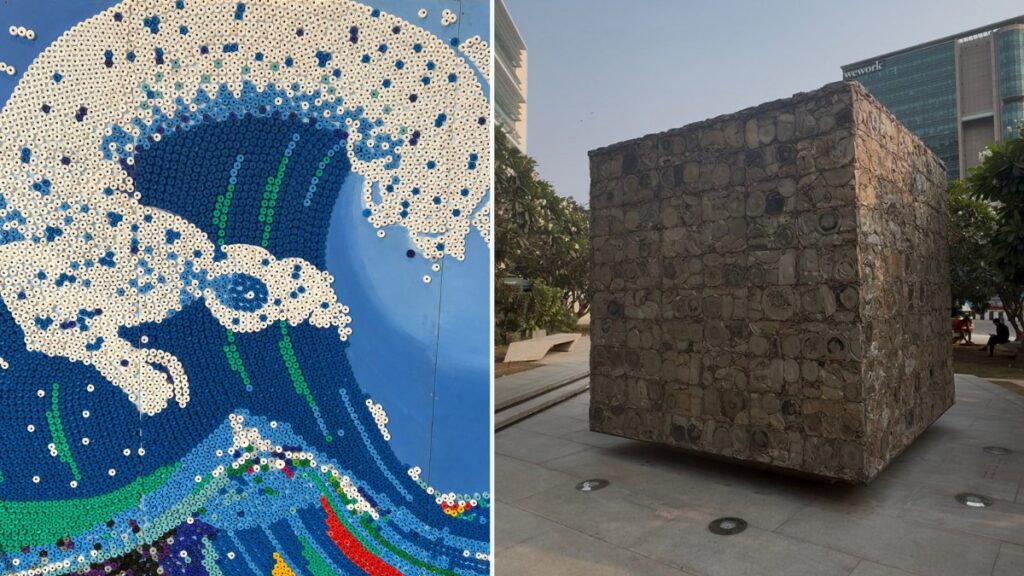
The “circular economy” wasn’t just a talking point, it was art. Around the venue, the themes came to life in unexpected ways.
There were striking art installations made entirely from waste, turning discarded materials into something beautiful and unsettling at the same time. They sat alongside serious conversations about waste infrastructure and hard‑to‑manage materials streams, underlining how culture and systems change can reinforce each other to Build a Waste-free World.
Like many of the world’s megacities, Mumbai faces complex air quality challenges.
There was a determination in discussions to treat air pollution as a direct public-health crisis, as well as an environmental issue. The good news is that solutions exist to tackle both – investing in cleaner air means fewer hospital visits, safer commutes and better working conditions. All ideas that gave our Clean Our Air Earthshot a very immediate context.
One of the most energising parts of the week was the knowledge exchange across the Global South.
Representatives from Brazil – a fellow member of “BRIC” and last year’s Earthshot Prize host country – joined Indian and regional voices to compare approaches. There was a clear sense that solutions flowing between South-South partners are accelerating just as quickly as from the more traditional climate hubs.
A recurring theme was the cost of capital for the Global South and the need for more blended and catalytic finance to move proven solutions from pilot to national scale. And this is where our Prize & Impact team are leaning in: helping Earthshot solutions connect with partners and funding that match the scale of their ambition.
This was the first‑ever Climate Week held in India, and it was anything but tentative. The halls were full of major international civil society organisations, leading Indian institutions and even former US presidential candidates.
All of it sits against a simple backdrop: India is a young country, a fast‑growing major economy, and already home to more Earthshot Prize Finalists and Winners than any other nation.
From cooling cities more fairly to harnessing solar momentum, restoring freshwater ecosystems and scaling farmer‑led innovation, the themes in Mumbai lined up almost perfectly with our five Earthshots.
Bringing The Earthshot Prize to Mumbai this November is about more than hosting a ceremony here – it’s about recognising that some of the most consequential climate solutions of this decade are being built, tested and scaled right here.
For me, as a Discovery Lead, there was no substitute for being on the ground this week: listening, learning and looking for the next ideas that can tip the world in a better direction.