& Restore Nature
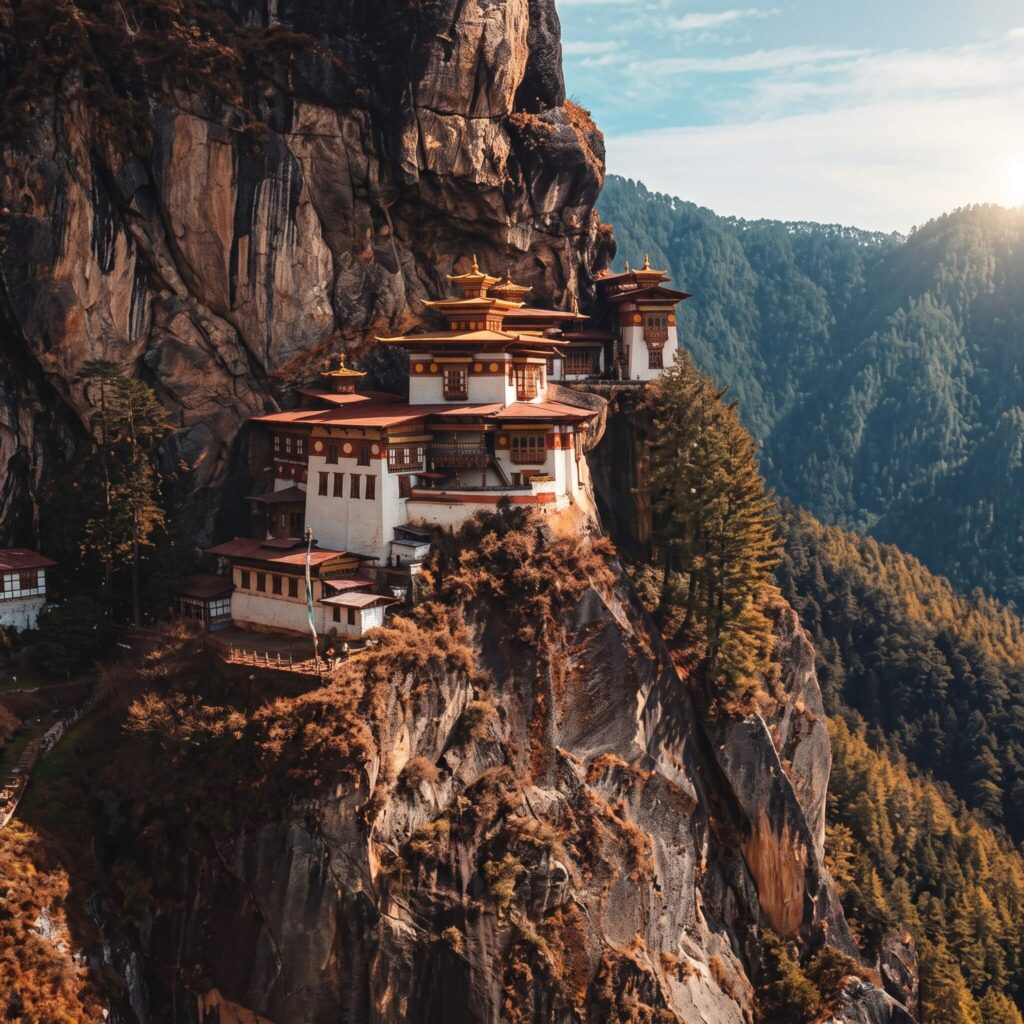
Bhutan has written the protection of nature into its constitution, maintaining nearly 70% forest cover while safeguarding Himalayan watersheds that around 1.6 billion people downstream across South Asia depend on for water.

Bhutan is home to just 800,000 people, but the benefits of its healthy forests reach far beyond its borders. Rising in the Himalayas, they help regulate freshwater systems that around 1.6 billion people downstream across South Asia depend on.
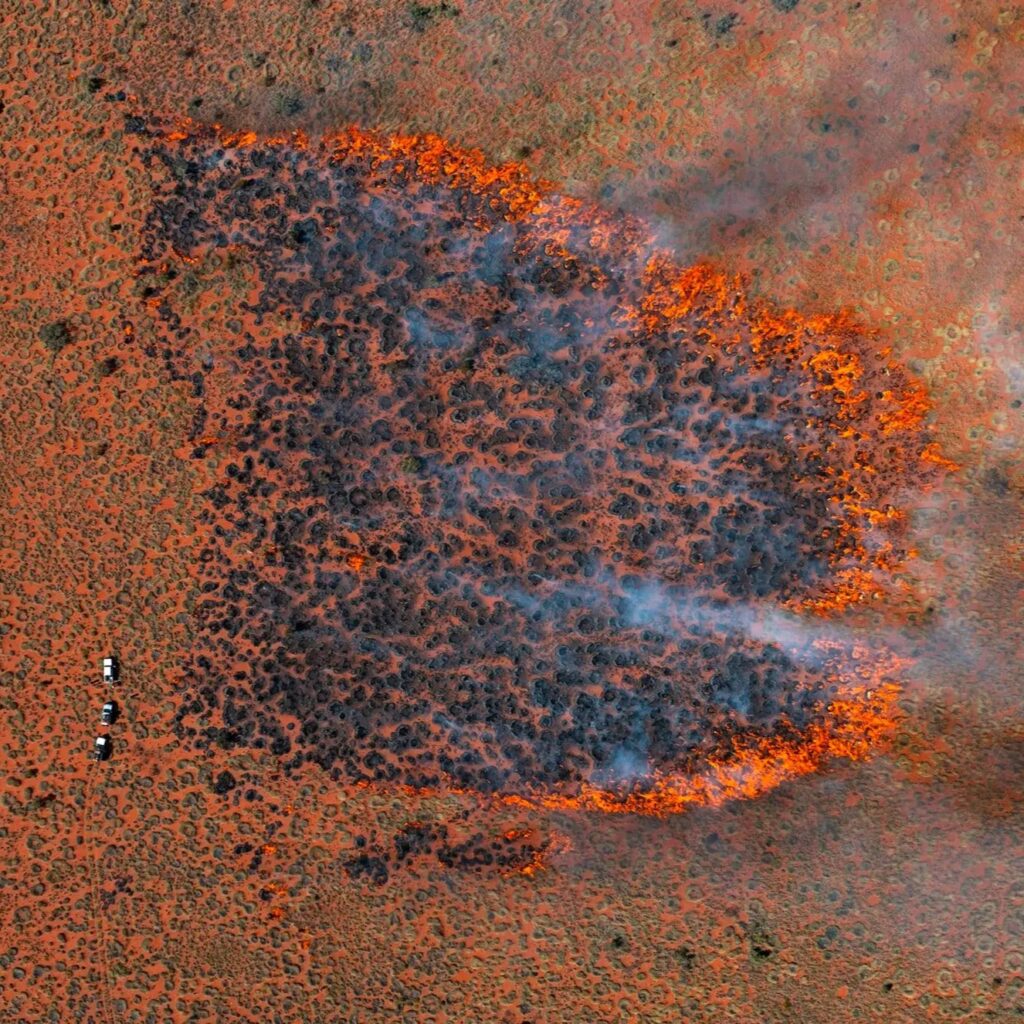
That security is under growing pressure. Nearly 2,000 of Bhutan’s water sources are now drying, and forest fires affected almost 18,000 hectares of the country between 2021 and 2024.
Bhutan already protects more than half its land and maintains nearly 70% forest cover, but holding this steady is not the same as restoring what has already degraded.
Globally, scientists say 30% of the world’s highest-value ecosystems need real protection by 2030, and the loss of untouched forest needs to fall close to zero.
Bhutan’s constitution requires at least 60% of the country to stay under forest cover, forever. Bhutan exceeds this, maintaining nearly 70% forest cover and protecting more than half its land through a national Protected Areas Network.
This is the result of decades of policy shaped by Gross National Happiness, a philosophy that has guided Bhutan since the 1970s and treats nature, economic prosperity, culture and community wellbeing as interdependent. Bhutan now absorbs more carbon than it emits, and its forests and watersheds deliver ecosystem services, including carbon storage and freshwater regulation, worth an estimated US$14.5 billion every year.
In 2025, the Royal Government of Bhutan launched Restore Bhutan to build on this legacy. Working with the Department of Forests and Park Services, the Bhutan Trust Fund for Environmental Conservation, the Bhutan Ecological Society and Conservation International, the programme is targeting 50,000 hectares of degraded forests, farmlands and urban landscapes for restoration by 2030, using science-based methods and stronger fire management.
Rather than relying on short-term grants, Restore Bhutan is building financing that can last, combining blended finance with Jurisdictional REDD+, a mechanism that pays for verified, country-wide reductions in forest loss. Indigenous knowledge and community stewardship sit at its centre, alongside education programmes for the next generation.
Bhutan is helping the world reach a positive tipping point, a threshold beyond which change becomes self-sustaining. Reaching it means protecting 30% of the world’s highest-value ecosystems by 2030 and restoring degraded land at scale, and Bhutan’s small, government-led model shows what that can look like.
Bhutan’s conservation journey is rooted in a longstanding commitment to living in harmony with nature. With nearly 70% forest cover and carbon-negative status, we’ve built a strong foundation but the challenge is growing more urgent.
This work builds on the vision of our Fourth King, His Majesty Jigme Singye Wangchuck, who placed conservation at the heart of Bhutan’s development, a legacy carried forward today by His Majesty King Jigme Khesar Namgyel Wangchuck.
Being recognised as an Earthshot Prize Finalist strengthens our ability to scale government-led, community-driven conservation because Bhutan’s experience can offer lessons to other forest-rich, climate-vulnerable nations.