30 Jun 2026

As a child, spending summer vacations with my uncle’s family, who worked in the civil services, I had access to the most scenic spots and would often wander off into the forests, tempted by the cool breeze and green forests, far far away from the demands of my convent school and city life.
I grew up partly yearning for that serenity, but ambition and education charted my path to Mumbai, and eventually to London, which I now call home. Yet I often thought of those towns and what lay beyond them: forests belonging to the tribal and nomadic caretakers who lived there, now threatened with displacement as development took its toll. Last year as I received a state government award in India, I heard that this forested, biodiverse and culturally vital land in and around Hasdeo was under threat from coal mining, and somewhere in my heart, I felt a pang of sadness. After all, I grew up in the tribal heartland of Central India, where my father taught anthropology, also home to luminaries like then Oxford Don, Verrier Elwin who lived and worked among Muria Gonds tribes and authored ‘The Kingdom of the Young’, a classic for all students of anthropology and anyone interested in truly understanding the best of our planet.
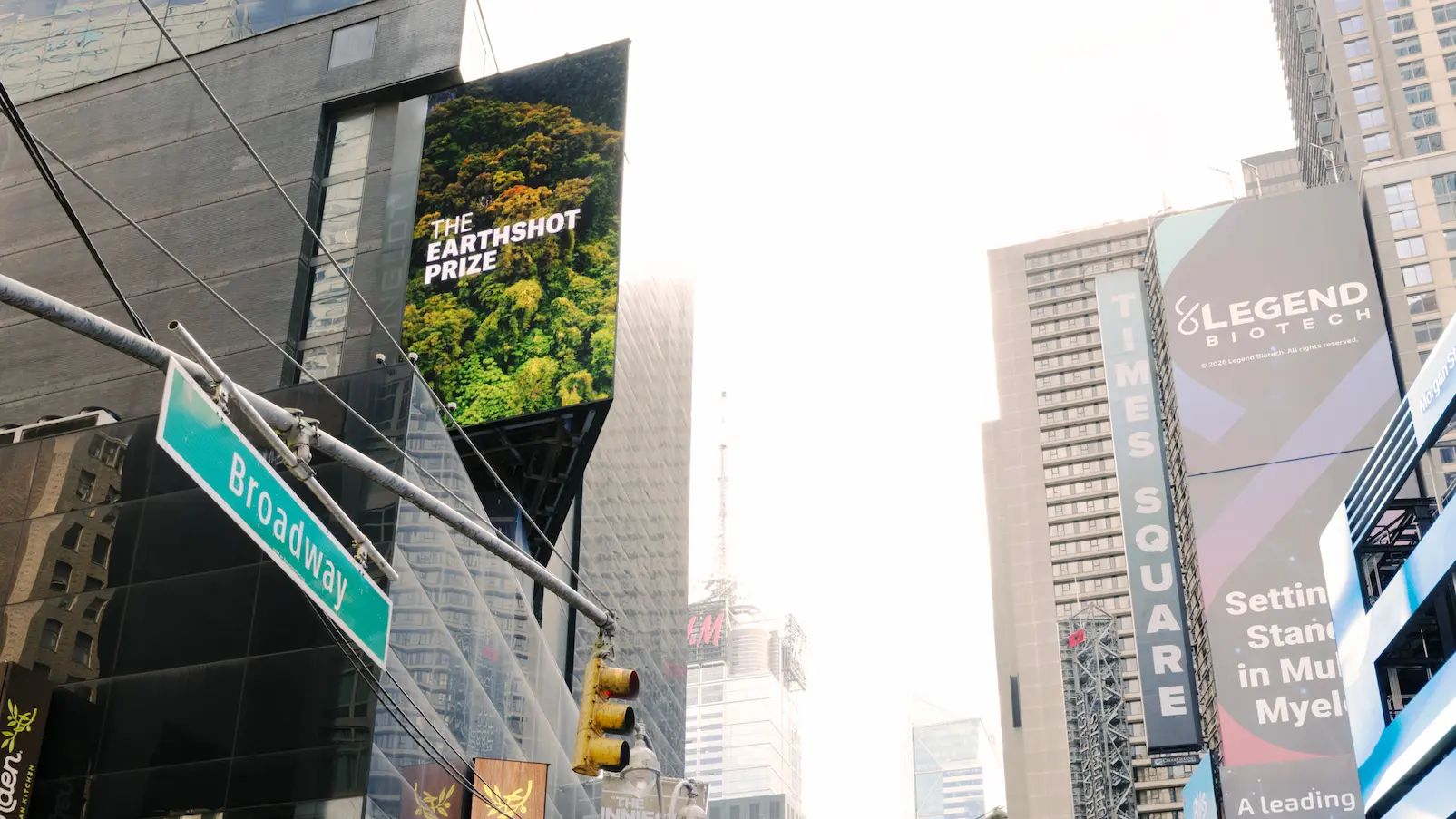
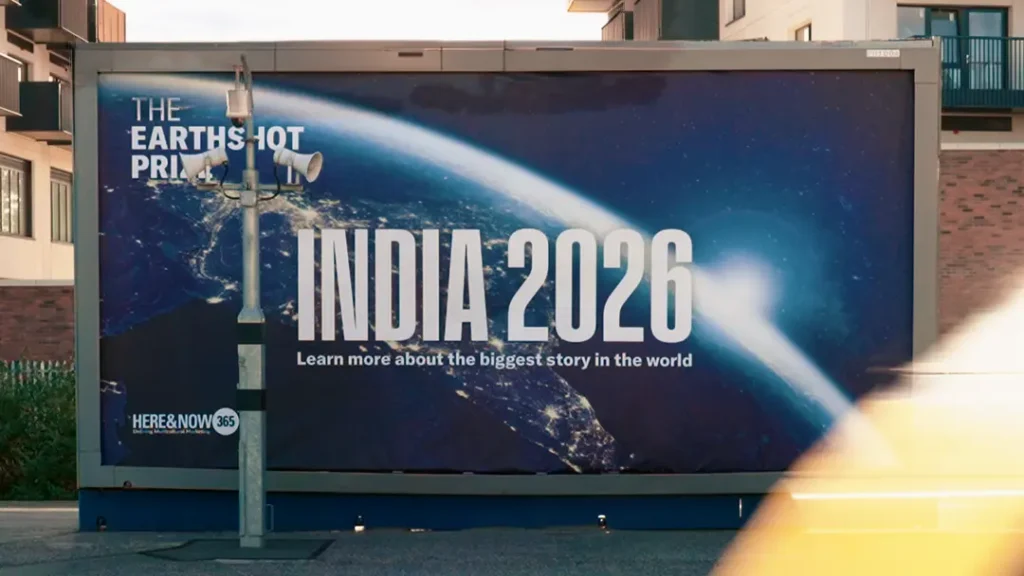
Advertisements can be seen in prominent locations across the UK, US and India in September and October.
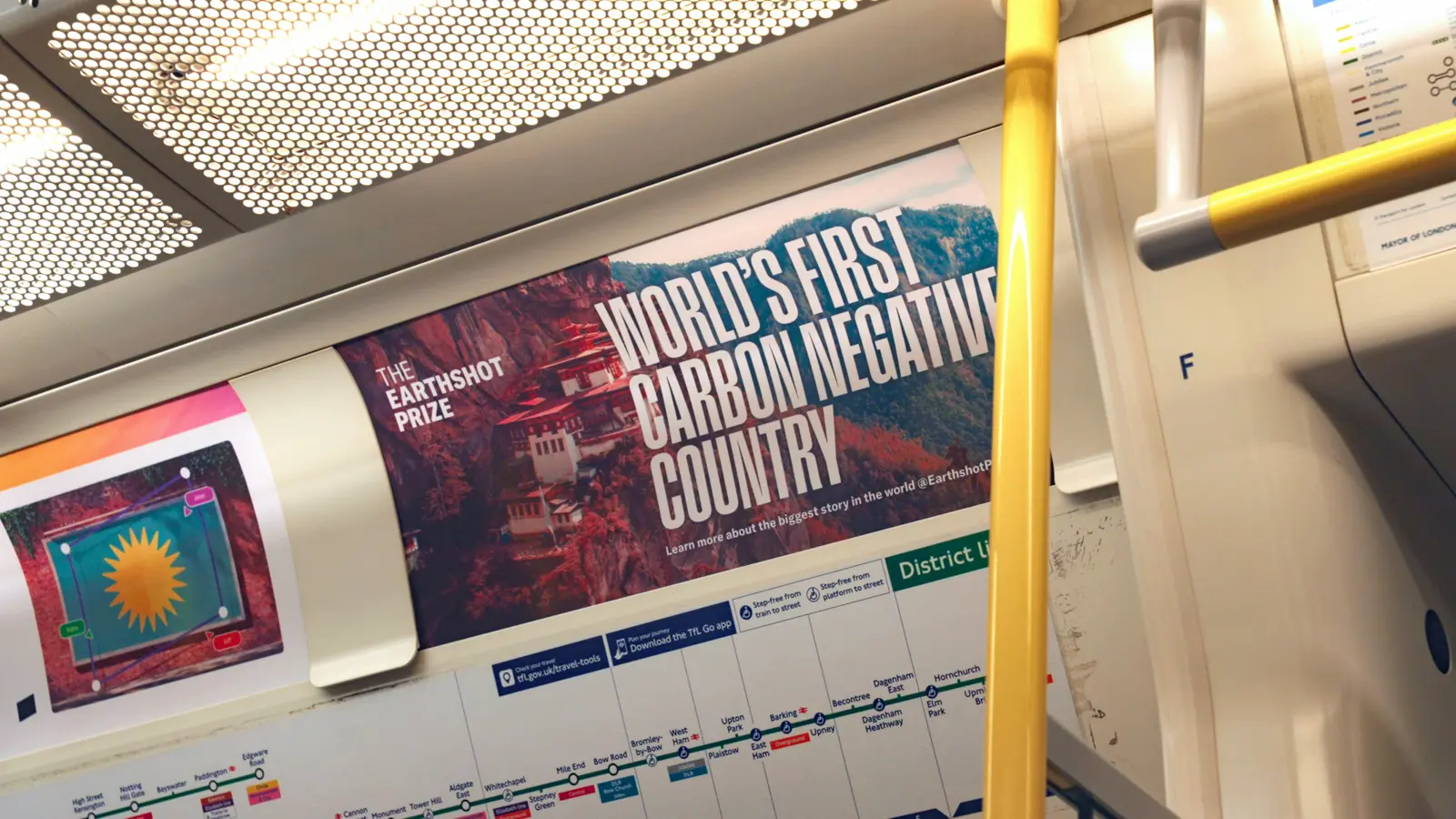
Here&Now365 worked with The Earthshot Prize to place adverts all over the London Underground network.
While writing this blog, I wanted to share a positive story from India: the Chipko (‘Hugging’) Movement, when rural women in Uttarakhand hugged trees to stop commercial loggers from felling them. This non-violent, Gandhian-inspired protest compelled then Prime Minister Indira Gandhi to impose a 15-year ban on commercial green felling in the region in 1980. Retold across Indian media, mostly newspapers and word of mouth in the pre-digital age, it reshaped forest policy and inspired grassroots environmentalism worldwide, proving that simple, organised action can drive real change. It still energises eco-warriors today.
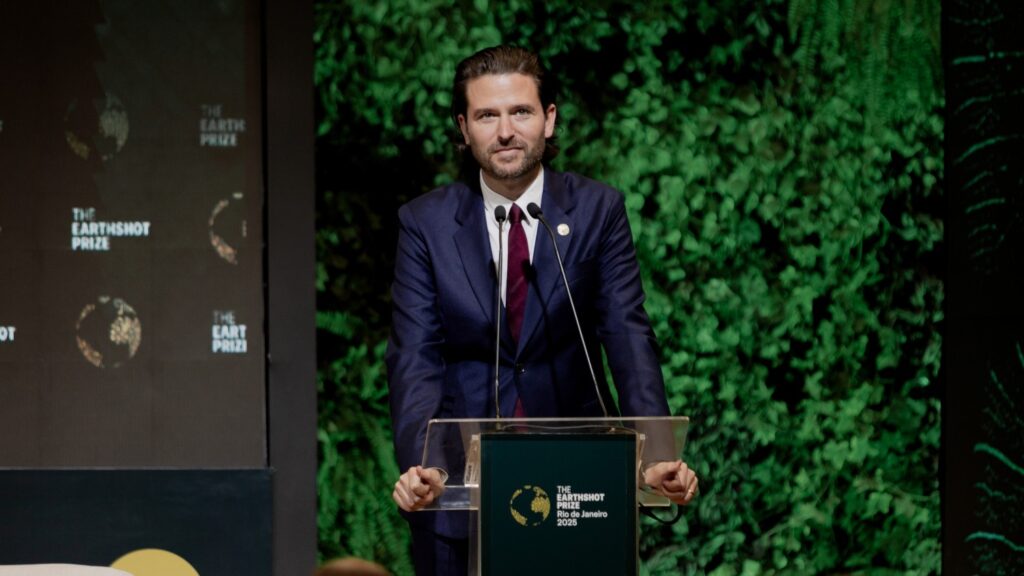
Mahatma Gandhi, revered as the father of the modern Indian nation, extended his philosophy of non-violence to all living forms, teaching that we must not harm nature in thought, word, or action. Central to this was Earth Trusteeship: the idea that humans are not owners of the planet, but its caretakers. This same principle compelled me to partner with The Earthshot Prize. Prince William founded it in 2020 on a simple premise: pair urgency with optimism, and people act; pair urgency with despair, and they switch off. Each year it finds fifteen solutions across five real-world challenges, from nature and air to oceans, waste and climate, and backs five winners with a million pounds each to scale what already works.
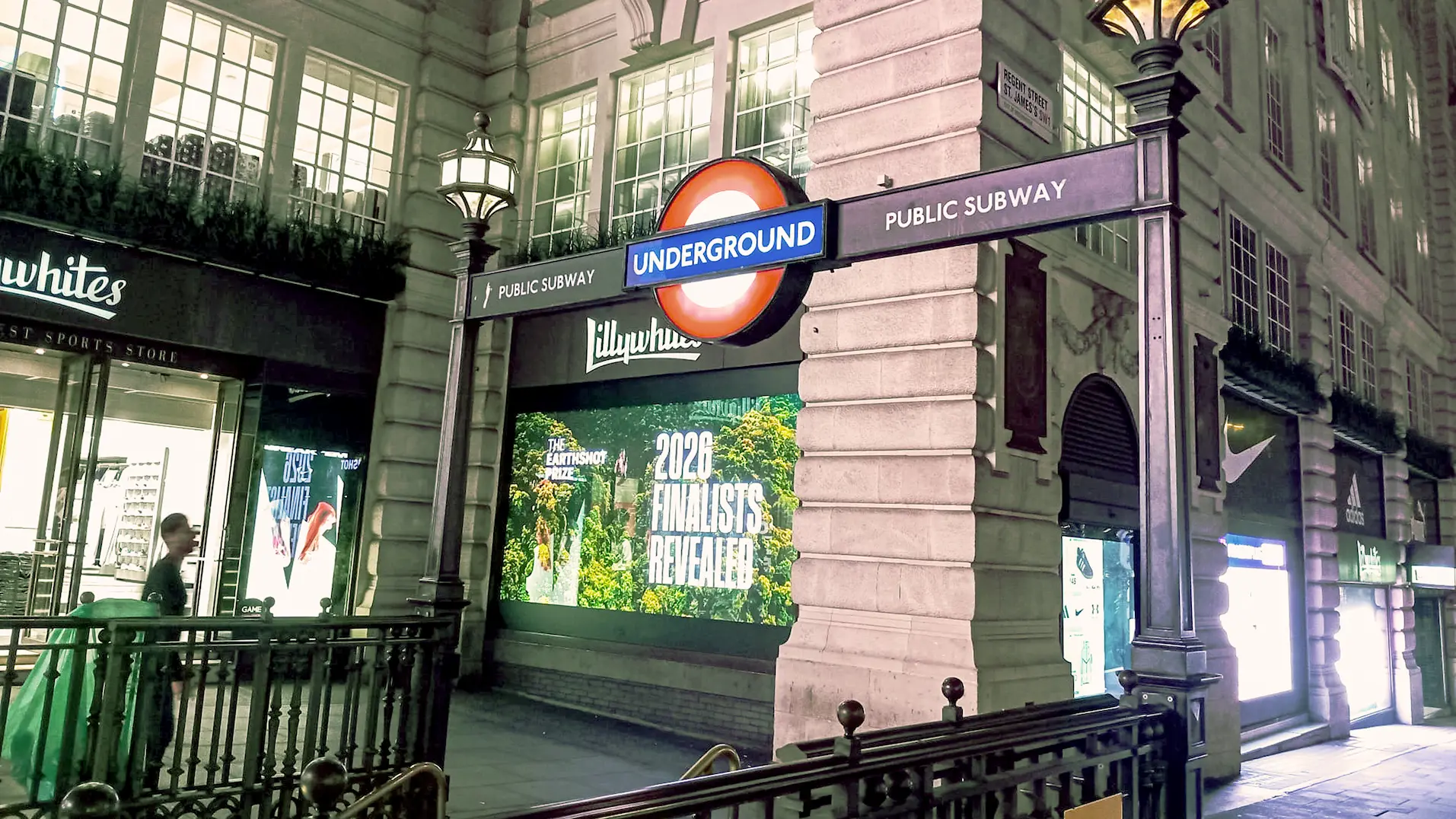
Advertisements can be seen in prominent locations across the UK, US and India in September and October.
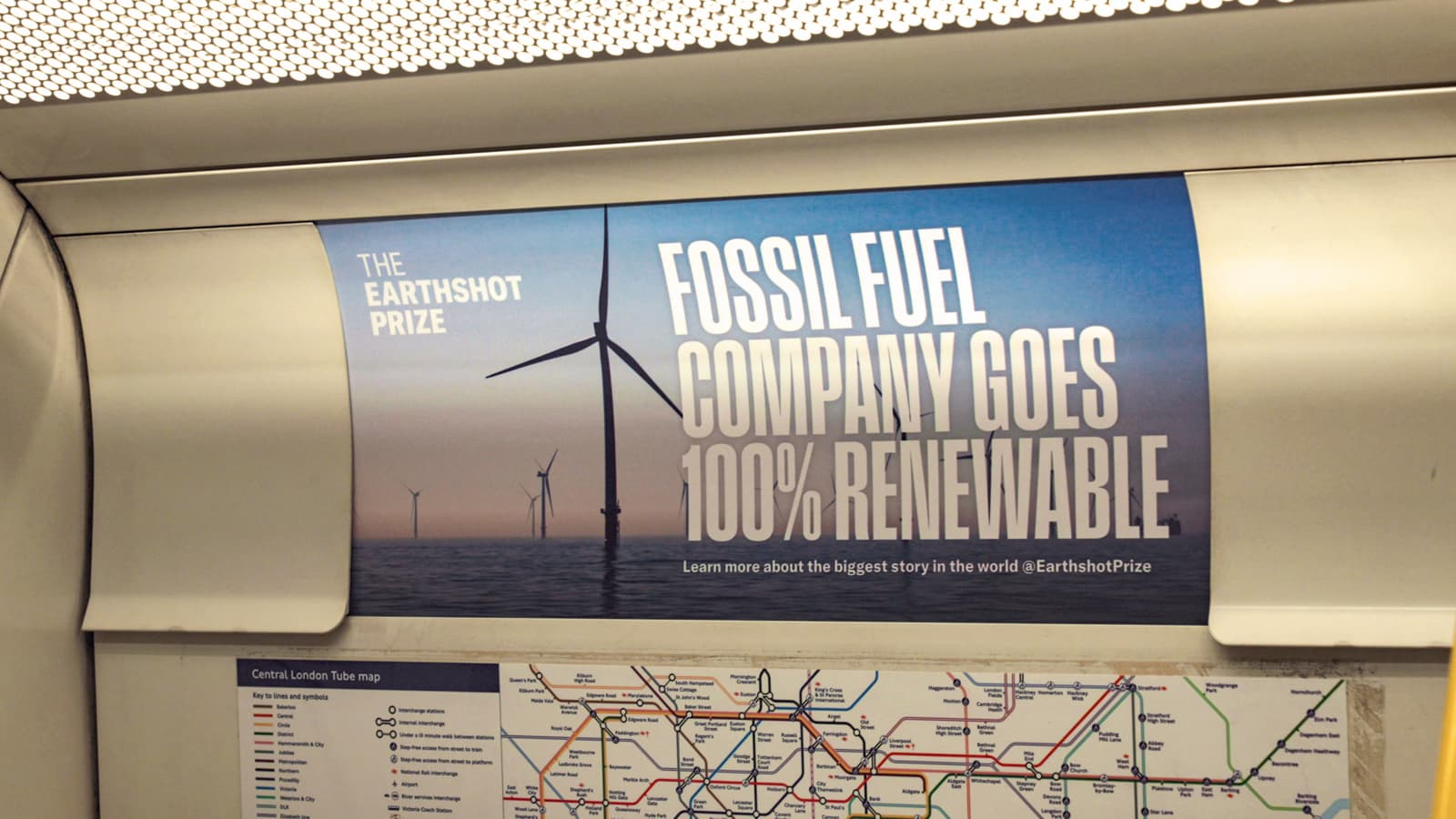
Here&Now365 worked with The Earthshot Prize to place adverts all over the London Underground network.
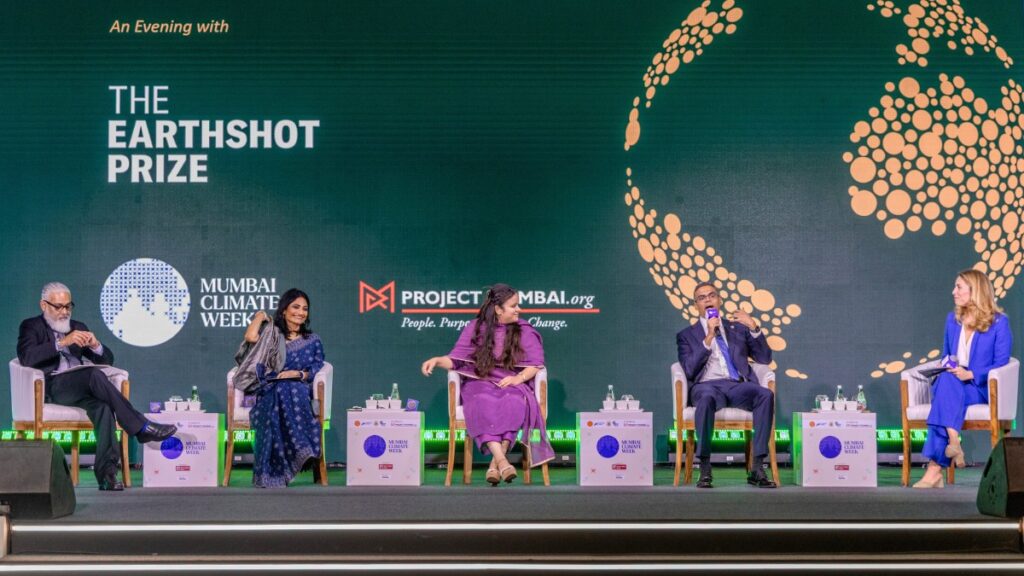
The 2026 Awards, coming to Mumbai this November, matter to me personally. India isn’t just experiencing climate change; it’s solving it too, quietly and earnestly, in villages, labs and city streets. It’s already home to more Earthshot Finalists than any other country, including four outright winners. Bringing the Awards here feels like long-overdue recognition and gives me real optimism for the next chapter of climate storytelling.
Through my agency, Here&Now365, which places diversity and community at the core of its narratives, we’re running media campaigns with the Earthshot Prize this September and October across the UK, US and India, reaching Indian diaspora audiences with these stories of progress. My hope is simple: that people who see India only through old headlines come to see it through innovation and resilience too, told in its own voice, and that in narrating India, we also spotlight its greatest asset: its diverse ecology.
Looking ahead to the 2026 Awards, I’m proud that Indian solutions, ideas born from necessity, community and ingenuity, will finally get a global stage. That, to me, is what good communications should always do: not always shout louder, but make room for the right stories and make us stakeholders in one of the biggest story of our times, the movement to repair our planet.