Build a
Waste-free World

South Korea Zero Waste Movement Network

2026 Finalist
Area of Impact:

South Korea Zero Waste Movement Network has set a global precedent, building the world’s most replicable model for cutting food waste at scale, taking South Korea’s recycling rate from 2% in 1995 to 95% today and saving an estimated $3 billion.


The Challenge

Around the world, a third of all food produced goes to waste every year, generating up to 10% of global greenhouse gas emissions.

In South Korea, it was a national waste crisis. By the mid-1990s, communities near landfill sites were protesting against the odours and pests from mounting food waste, with only 2% of it recycled.

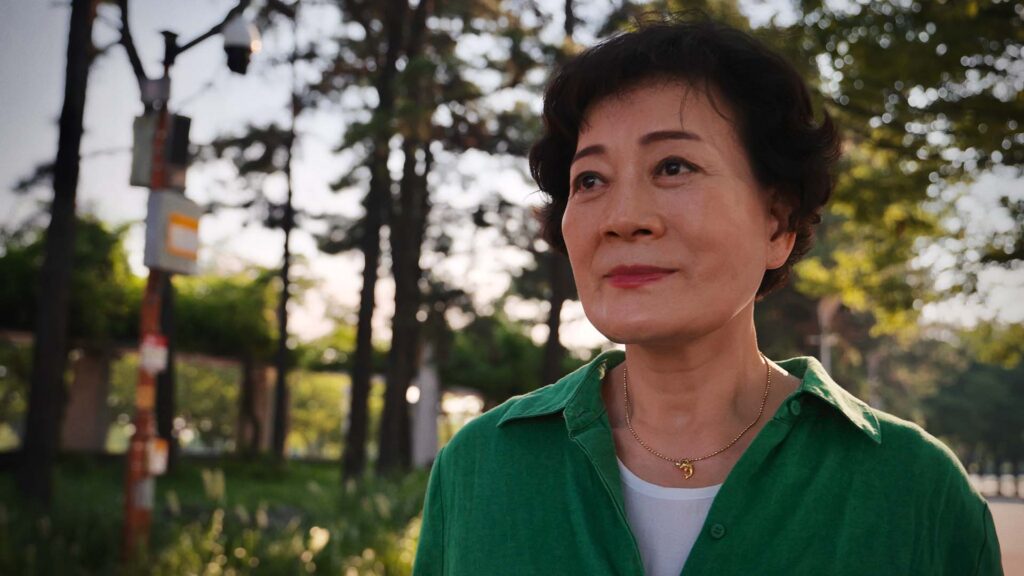
Kim Mi-Hwa, who has spent 40 years working on the issue, saw that the answer was not simply to manage more waste, but to change the system that created it.

The stakes reach beyond South Korea. Food waste left to rot in landfill adds pressure to a global food system already under strain, and to the fight against climate change

Their Solution

South Korea Zero Waste Movement Network is the network Kim Mi-Hwa and fellow campaigners built to drive that change. Over three decades, it has connected more than 180 organisations, helping shape South Korea’s landfill ban and pay-as-you-waste fee system, working with government and companies including Samsung Electronics and food delivery platform Baemin.

The system starts at home. Households separate food waste from general rubbish and, in many areas, pay for it by weight – a direct incentive to waste less. In cities including Seoul, smart bins weigh the waste, identify the user by card and calculate the charge automatically.

Food waste that can’t be prevented is turned into compost, animal feed or biogas, instead of being buried in landfill, where it releases methane. The system now recycles around 95% of South Korea’s food waste, up from just 2% in 1995 – a transformation estimated to have saved the country around US $3 billion.

The Network also works upstream with schools, nutritionists and food service providers to cut waste before it happens, including helping delivery customers opt out of unwanted side dishes – particularly important in a country where meals commonly include several accompanying dishes.

South Korea’s Zero Waste Movement Network is helping the world reach a positive tipping point – a threshold beyond which change becomes self-propelling. More than 75% of organic waste in major economies needs to be separated, composted or turned into clean gas by 2030 to have the best chance of reaching it.

By 2030, South Korea’s Zero Waste Movement Network aims to help governments, businesses and civil society across Asia adapt South Korea’s proven model, through study visits, training, and new partnerships with food delivery and catering companies.

South Korea’s experience shows that food waste is not inevitable. When citizens, government and businesses move together, it is possible to prevent waste and turn what remains into a resource.

It grew from decades of persistence – from communities demanding change, citizens learning new habits, and government and businesses building a system that treats food as something valuable, not disposable.

We now want to share that hard-won experience with others, not as a model to copy, but as proof that change at national scale is possible when people work together.

Kim Mi-Hwa Chairperson of Korean Zero Waste Movement Network

Learn more about South Korea Zero Waste Movement Network

Other 2026 Build a Waste-free World Finalists

The Earthshot Prize