Clean Our
Air

Mahindra Last Mile Mobility

2026 Finalist
Area of Impact:
Earthshot:

Cities can electrify public transport, but the last mile – vans and rickshaws on every street – is where clean energy is hardest to reach, and the people with the fewest resources carry its heaviest cost. Mahindra Last Mile Mobility transformed its supply chain to sell more electric three-wheelers than anyone in India, proving the switch to electric can be done profitably, not just responsibly.


The Challenge

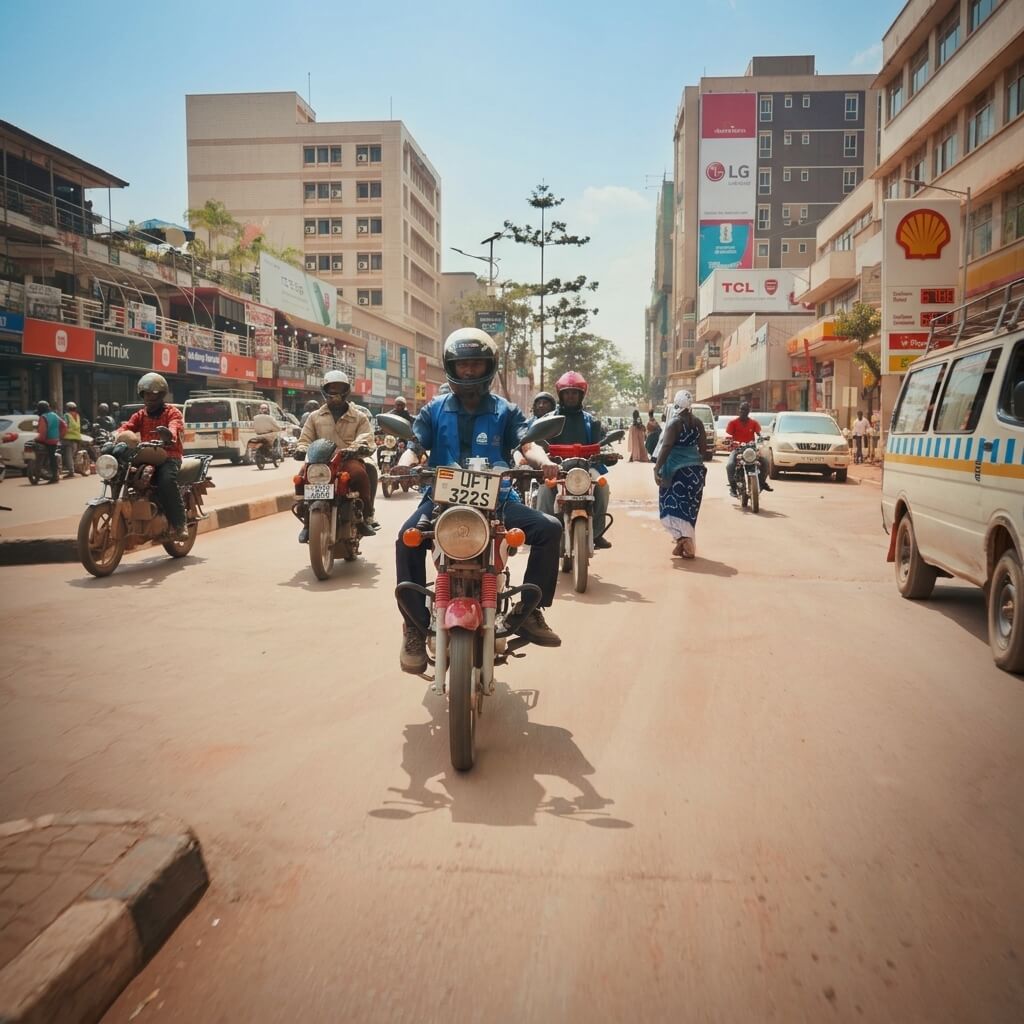
In India’s busiest cities, three-wheelers and small vans carry the last stretch of every journey, moving people to work and goods to their door.

Most run on fossil fuel, and with up to half of all on-road transport pollution in India traced back to them, that daily use adds up fast.

Around 90% of these vehicles are used commercially, so drivers cannot simply be asked to take them off the road: for millions, it is how they earn a living.

Electrifying them means making clean options that families and small businesses can actually afford to buy and run.

Their Solution

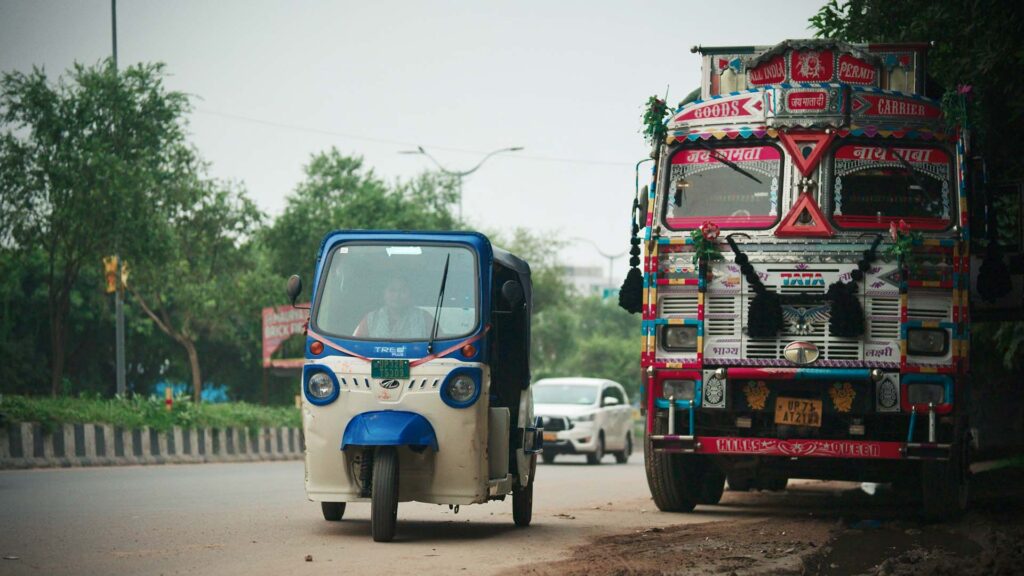
Mahindra Last Mile Mobility, one of India’s biggest three-wheeler manufacturers, did not wait for policy to catch up. It transformed its own supply chains to build electric three-wheelers and small commercial vehicles that work financially for drivers, while pushing for stronger policy support.

The company has now sold more than 400,000 electric last-mile vehicles, including over 100,000 in a single year, making it the first commercial vehicle manufacturer in India to reach that scale. Mahindra Last Mile Mobility reports the sales have avoided more than 180,000 metric tonnes of CO₂. Its electric three-wheelers have helped push the category past 50% of new sales in India, the country’s first vehicle segment to get there.

Behind the vehicles sits a wider network: more than 900 sales and service outlets, financing partnerships, and access to over 10,000 public charging points, plus plans for responsible battery recycling. Lower running costs mean drivers’ take-home income can rise by 25-30%.

Mahindra Last Mile Mobility has also trained 500 women to drive and repair electric three-wheelers, moving some into independent, income-generating work.

This has pushed India’s three-wheeler category to 33% electrification, a positive tipping point Mahindra Last Mile Mobility believes can now spread, as electric buses, two-wheelers and three-wheelers become the more affordable choice across the Global South, helping cities meet World Health Organization air quality guidelines by 2030.

In the coming years, Mahindra Last Mile Mobility wants to bring banks into lower-cost driver finance, connect cities and electricity providers around shared charging, and expand across Asia and Africa, working toward one million electric vehicles on India’s roads by 2031.

Our ambition is to make electric the preferred choice for the people who move India every day – drivers, small entrepreneurs, fleet operators and businesses for whom the vehicle is not just transport, but their livelihood. Switching to electric not only improves the air quality of our densest cities but can also improve livelihoods.

The Earthshot Prize can help bring governments, banks, cities, fleet platforms and skills partners around the same table, so we can help make electric mobility accessible to more drivers and cities, in India and beyond.

Suman Mishra Managing Director and Chief Executive Officer of Mahindra Last Mile Mobility

Learn more about Mahindra Last Mile Mobility

Other 2026 Clean Our Air Finalists

The Earthshot Prize