Revive Our
Oceans

The City of Barcelona

2026 Finalist
Area of Impact:
Earthshot:
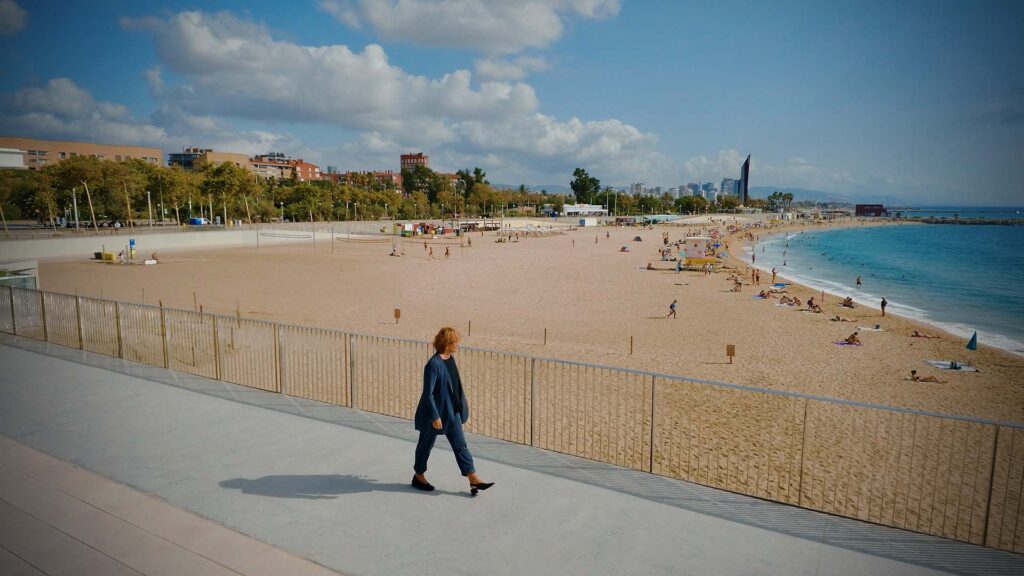
The City of Barcelona is turning its Mar Bella seafront into climate-resilient public infrastructure, restoring 1.8 kilometres of coastline and creating 22 hectares of resilient waterfront that protects people and nature while keeping the beach open to everyone.


The Challenge

Barcelona is one of hundreds of coastal cities facing rising seas, stronger storms, extreme heat and flooding.

This summer (2026) Barcelona recorded its highest temperature in more than a century, with the Mediterranean surrounding it warming around 20% faster than the global average.

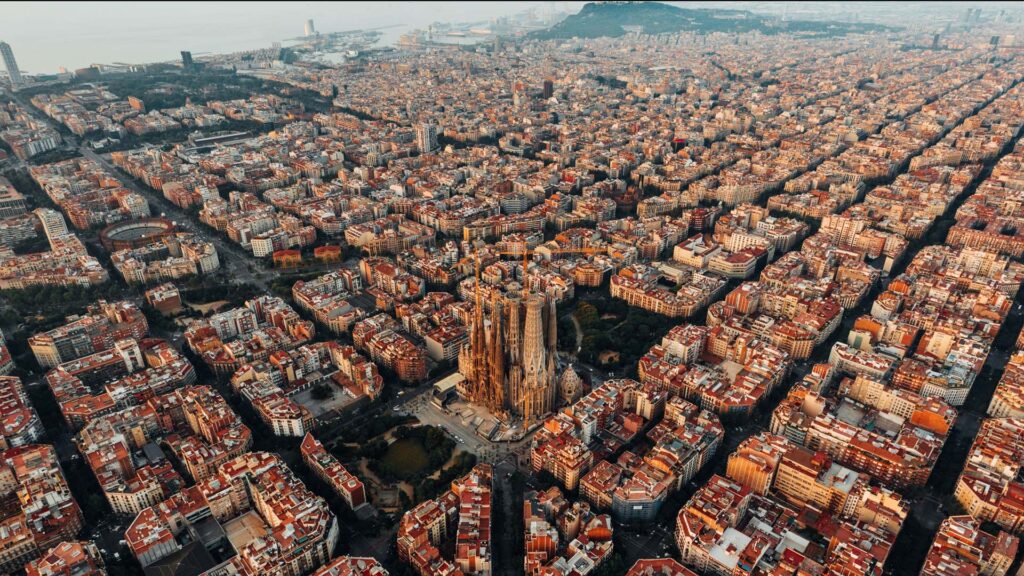
For decades, especially after the 1992 Olympic Games, Barcelona expanded towards the sea, building new beaches and neighbourhoods. That model now needs rethinking: hard infrastructure alone is no longer enough.

Severe storms in 2023 damaged the waterfront, and around 70% of the artificial sand added to the coast in 2010 has since disappeared. Rather than repeatedly rebuilding a vulnerable shoreline, the city needed a different approach.

With around 10% of the world’s population living in coastal zones, and Barcelona’s coastline used by 1.6 million people a year, the stakes reach beyond one city.

Their Solution

At the heart of the work is Mar Bella, on the Sant Martí seafront. Instead of repeatedly rebuilding a vulnerable shoreline, The City of Barcelona is moving parts of the waterfront inland, including a popular seafront football pitch, so wider beaches can act as natural infrastructure that absorbs wave energy and protects against storms and rising seas.

The €150 million project is part of Pla Litoral, the city’s ten-year coastal adaptation strategy, backed by a €1.8 billion Climate Action Plan, the largest climate budget in Barcelona’s history.

Using around 17,000 tonnes of recycled material, about the weight of 1,100 double-decker buses, the new public space will be roughly the size of 31 football pitches. More than 60% of it will be permeable, and more than 2,700 climate-adapted trees will help cool the waterfront.

And it’s working: At Port Olímpic, a regenerated seabed has already created habitat for more than 100 marine species within twelve months.

More than 200 residents and stakeholders helped shape the design, directly benefiting around 240,000 people in Sant Martí, one of Barcelona’s most heat-vulnerable districts.

The work is helping the world reach a positive tipping point, the threshold beyond which change becomes self-propelling: all G20 countries need climate-resilient infrastructure standards in place by 2030, and Barcelona is aiming to turn Mar Bella into a blueprint other coastal cities can replicate. As a Finalist, The Earthshot Prize will help share that model internationally.

Being selected as an Earthshot Prize Finalist recognises a choice the City of Barcelona has made: to make climate a core policy. This means not simply to defend the coast, but to adapt with nature and improve the waterfront for everyone

Cities like ours must learn to live with climate change while protecting the places and communities that define them […] We are ready to share Barcelona’s experience, and to learn from others facing the same challenges.

Jaume Collboni Mayor of Barcelona
The Earthshot Prize